
Robert David Steele in Berkeley Springs Part 1
Transition Talks · October 19, 2019 · Berkeley Springs, West Virginia
What happens when you reread the books that shaped your view of the world? In this Transition Talks recording, Robert David Steele returns to the more than 2,000 books he had read and reviewed. He asks which ideas held up, where he had been too quick to agree, and how an educated public might make better decisions about its future.
Browse the Part 1 chapter guide ↓ · Start with community and education at 23:18 ↗
Filmed by Jim Grapek. Part 1 · 54:10. Watch on YouTube.
Part 1 chapter guide
The books that changed his mind
Steele opens with an airplane joke and uses it to introduce a more personal question. How could he have read so widely and accepted some explanations too easily? He describes how his work in intelligence and the questions raised by 9/11 shaped his reassessment. He then explains how the lecture grew out of an invitation to revisit his reading and reviews.
The costs a price can hide
He introduces the categories he used to organize his reading and explains why he created his own ratings for books that changed his thinking. What he calls true-cost economics is a way of asking who bears costs that never appear on a receipt. Automation offers one example. Lower operating costs can come with job losses that households and communities have to absorb.
Public knowledge, power, and secrecy
Steele moves from constitutional checks and balances to the role of public information in a democracy. He discusses Tom Atlee on collective intelligence and John D. Caputo on how dialogue, faith, and intuition shape inquiry. He then turns to banking, government secrecy, and his interpretations of historical events.
Listening to testimony
He describes how reading accounts of alleged extraterrestrial encounters changed the questions he was willing to ask. This part of the recording opens a discussion about testimony. What did someone observe directly? What did they infer? What other witnesses, records, or measurements could help test the explanation?
Local resilience, education, and ethics
Starting with Nassim Nicholas Taleb, Steele considers how communities can build resilience through local resources. He draws on Elinor Ostrom to discuss how communities make rules for shared resources. Around 24:35, he turns to Will Durant and Paulo Freire, asking what young people should be learning to help them think independently and participate in their communities.
Leadership and knowledge across disciplines
After discussing history, intelligence, and justice, Steele returns to what leaders do with information. He describes how sharing information can make it more useful, then turns to E.O. Wilson’s Consilience around 38:03. The challenge he takes from Wilson is to bring different branches of knowledge to the same problem.
Civic participation and institutional trust
The talk moves through Steele’s claims about secret programs and into his argument for more people taking part in public decisions. He discusses reconciliation and religious pluralism before returning to government secrecy and the problems he sees in how intelligence agencies share information.
A closing appeal to evidence
Steele recounts his experience with a political organizing campaign and makes allegations about organizations he believed had opposed it. He closes this part of the lecture by calling for decisions based on evidence.
From the recording
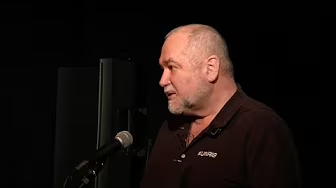
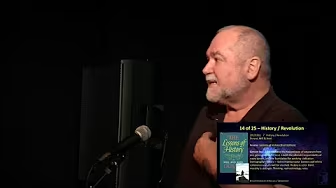
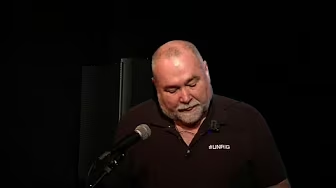
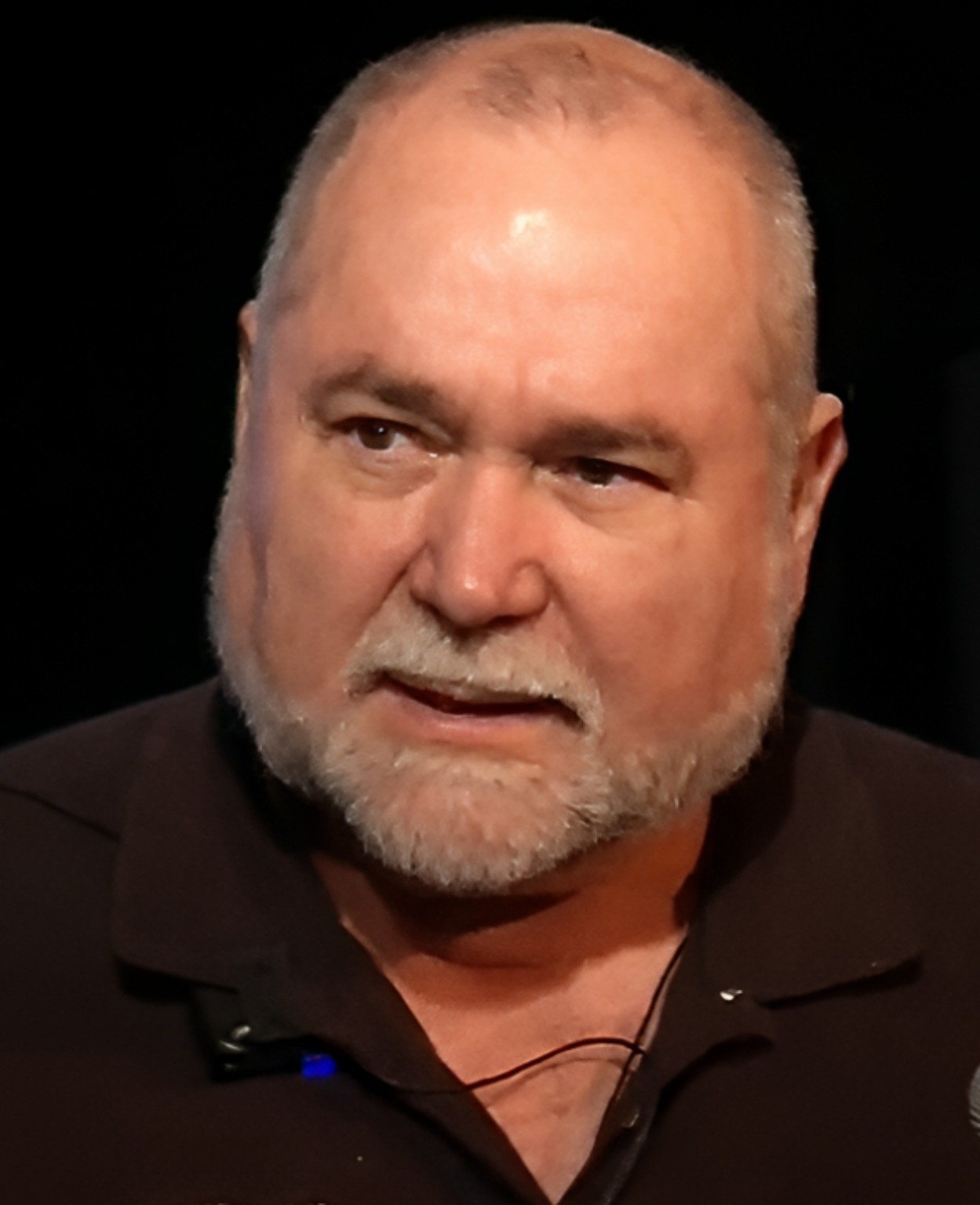
Chapter stills from the Berkeley Springs recording, filmed by Jim Grapek.
The education passage asks what people need to learn to be able to think for themselves and live well with others. He suggests that a practical place to begin is with a decision close to home. How should a community share water, put environmental supports in place, or create community gardens? What would students need to know in order to participate in these decisions?
The talk also suggests a way to explore unfamiliar claims. Begin with what people observed, consider the explanations they offer, and ask what further evidence would change your mind. The same approach works with an everyday product, a historical account, or an extraordinary report.